A journey through sound, imagination and the making of a musical legacy.
I
Chapter One
1970s · Childhood
The Gift That Started Something
Long before the records, the studios and the dancefloors, there was a young boy whose imagination seemed to have its own soundtrack.
For Kevin Warren Williams, music was everywhere. In the rhythms of everyday life, in the melodies that appeared unexpectedly in his thoughts, and even in the imaginary musical themes he associated with people around him.
At around seven years old, a visit with relatives would leave a lasting impression.
His uncle’s then mother-in-law, a kind and generous woman, invited the children to choose something they liked.
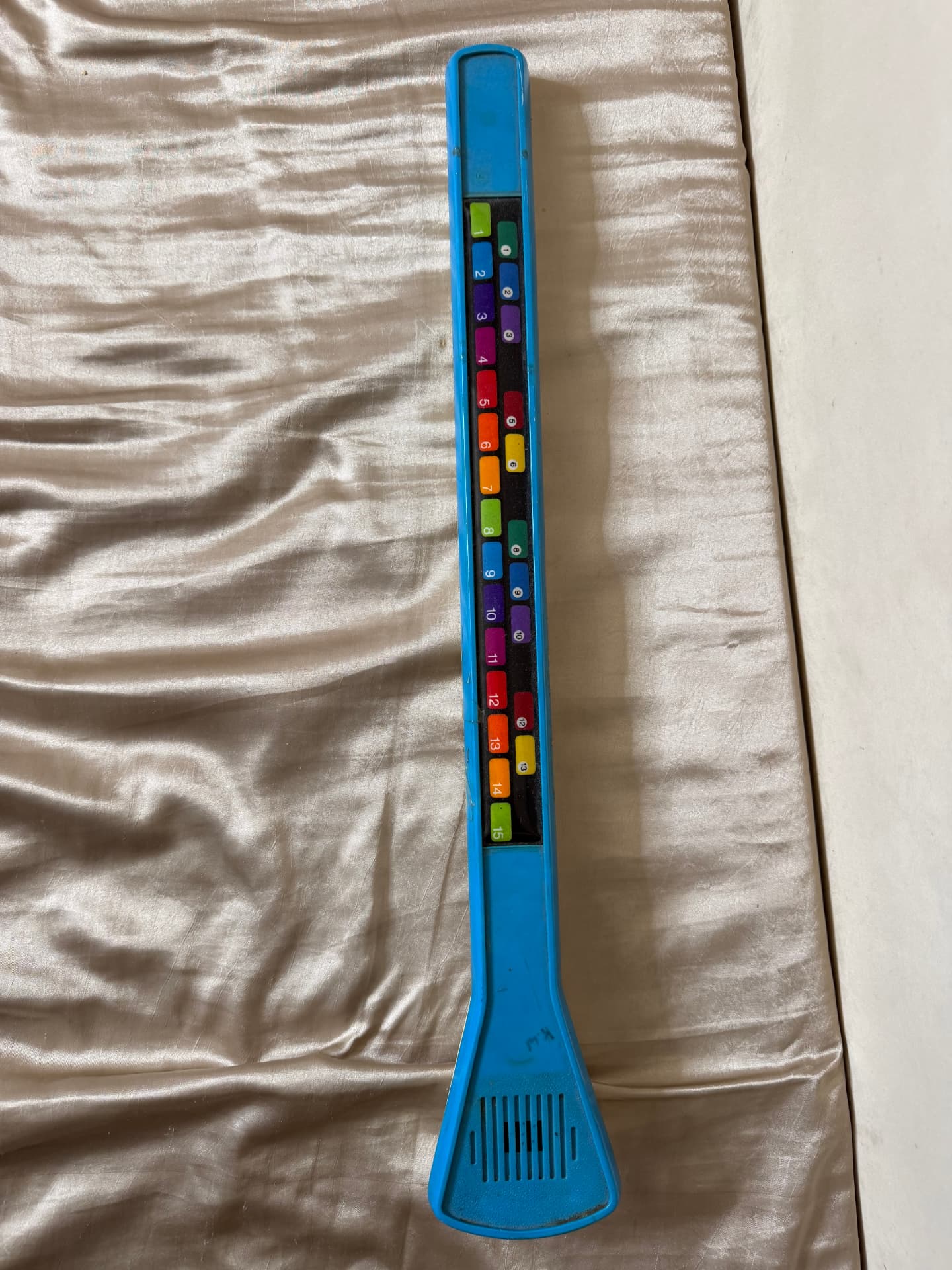
Kevin’s attention was immediately captured by a curious blue electronic instrument with colourful keys: the Musical Magical Thing.
He pointed at it.
She bought it for him.
To her, it may simply have been a thoughtful gift for a child. To Kevin, it was another doorway into a world he was already fascinated by.
He began discovering melodies by ear, including Little Donkey, exploring the relationship between the sounds he imagined and the notes beneath his fingers.
He kept that instrument.
Decades later, it would still be there in his studio — a small blue reminder of where an extraordinary musical journey began.
The original Musical Magical Thing, a childhood gift that remains part of K-Warren’s studio collection.
II
Chapter Two
1980s · First keyboards
An Imagination Without an Off Switch
As Kevin grew older, his fascination with musical instruments continued.
At his cousins’ home in West Ealing, he was drawn to a toy organ with buttons that could trigger chords.
Several years after receiving the Musical Magical Thing, his parents bought him a larger electronic keyboard with built-in rhythms, drum patterns and a variety of sounds.
He loved exploring it, although something frustrated him.
The drum patterns were already programmed.
He wanted to create his own.
Even then, simply playing what an instrument offered wasn’t quite enough. He wanted to shape the music himself.
He experimented with melodies, bass sounds and rhythms, guided more by his ears and imagination than by formal technique.
That instinct would remain throughout his career.
Years later, even when he attempted conventional keyboard lessons, a wrong note during an exercise could spark an entirely new composition in his mind.
Before long, the lesson would be forgotten and another track would be taking shape.
Kevin could play chords and melodies, but traditional musical training never became his natural creative language.
His imagination was always moving faster than his fingers.
III
Chapter Three
1980s · Sampling & cassette culture
The Discovery That Changed Everything
As a teenager, Kevin asked his school friend Darren Brooker to copy Public Enemy’s Yo! Bum Rush the Show onto cassette.
Darren had other ideas.
Instead, he recorded Kevin’s spoken instructions and manipulated them into an unexpected sequence of sounds.
Kevin was fascinated.
During a visit to Darren’s bedroom, he discovered how it had been done.
Darren demonstrated the sampling capabilities of a Yamaha keyboard, allowing Kevin to record his own voice and play it back across the keys.
Suddenly, an entirely new world opened.
A voice could become an instrument. A fragment of sound could become a musical idea.
Almost anything could be captured and transformed.
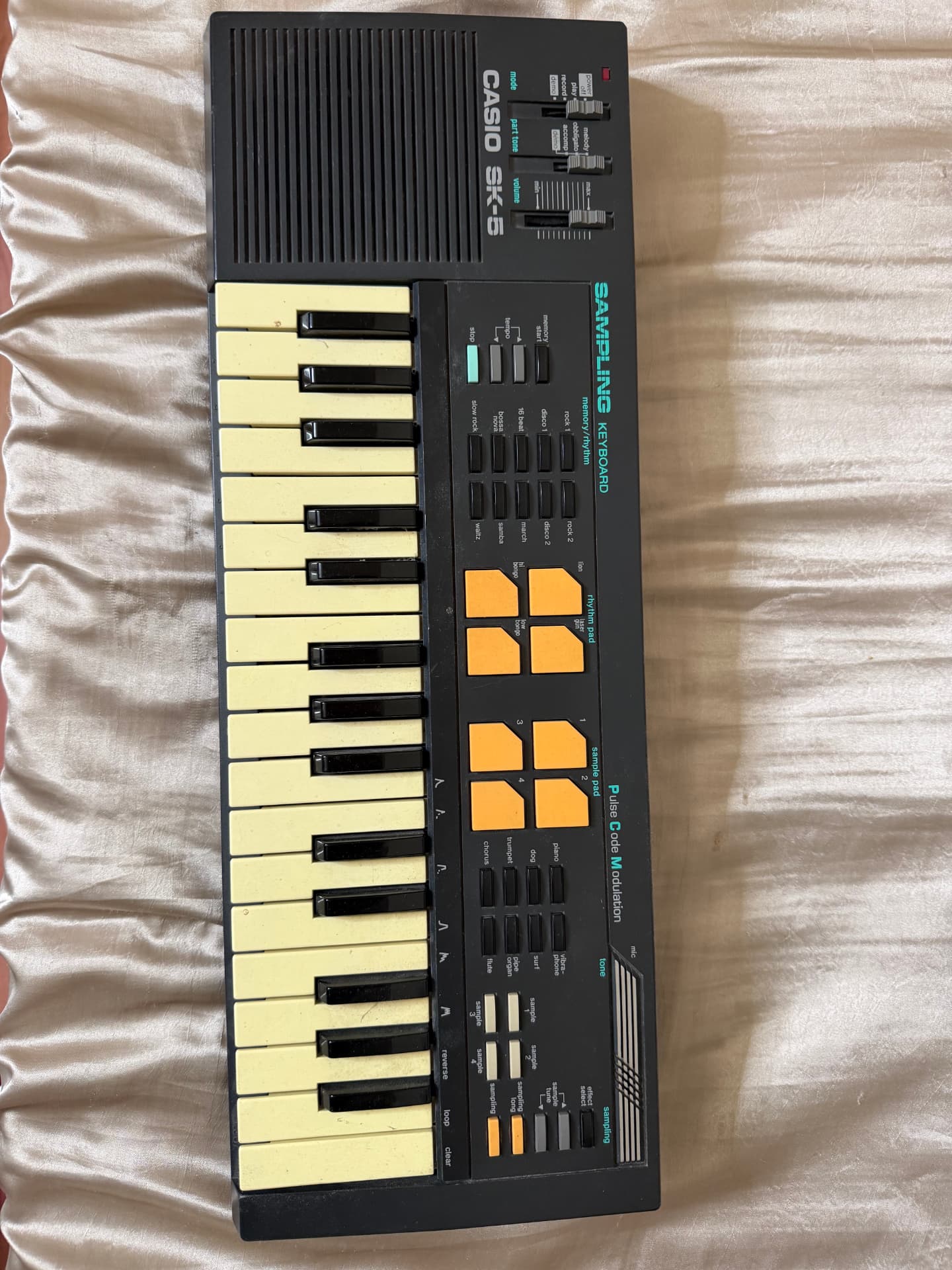
Kevin eventually bought his own Casio SK-5 sampling keyboard.
Its sampling memory was tiny, but his imagination wasn’t.
The keyboard offered only a little over a second of total sampling time, divided between four sample pads.
And there was a considerable challenge.
The samples couldn’t be edited.
There was no trimming, stretching or adjusting the recording afterwards. Each pad recorded for its fixed duration.
Whatever went in was what came back out.
For Kevin, capturing a perfectly looping drum break became an art form in itself.
He would find a breakbeat on a record, then speed up the turntable until the entire rhythmic phrase fitted precisely into the available recording time.
Too fast, and the loop would finish before the recording window ended, leaving an unwanted gap.
Too slow, and the recording would cut off before the musical phrase was complete.
Either way, the loop wouldn’t repeat properly.
He would adjust the turntable speed, record the sample again and repeat the process until the timing was just right.
Sometimes it took several attempts.
But when he finally pressed the pad and heard a perfectly repeating drum break, the satisfaction was enormous.
Then came the next challenge: building an entire composition around it.
Using a twin cassette deck, he developed his own makeshift multitrack recording method, transferring recordings between tapes while adding new musical layers.
He would hold down a sample pad, play other musical parts and record the performance onto cassette.
Then he’d transfer that recording to another tape while adding further sounds, including basslines from his earlier toy keyboard.
Every generation introduced more hiss.
But the music was taking shape.
People were already enjoying his creations. Some could hardly believe he’d produced them with such modest equipment.
K-Warren’s original Casio SK-5 sampling keyboard, used for his earliest experiments with sampled breakbeats.
IV
Chapter Four
The realisation · MIDI & the Atari ST
“I Can Make Records”
One day, Kevin visited Project Music, a music shop in Feltham.
What happened there would change the direction of his life.
A demonstration of computer-based MIDI sequencing showed him something he had never experienced before.
A musician recorded a piano part, moved to another track, added a bassline, then continued building the composition with further instruments.
Each part remained separate.
Each could be played back together.
Kevin was astonished.
After years of juggling cassette decks, samples and live performances, he was suddenly looking at technology that could capture the music in his imagination with extraordinary freedom.
He still jokes that the demonstration left scars beneath his chin from the moment his jaw hit the floor.
But beneath the humour was a profound realisation.
“
I can make records
A profound realisation
Soon afterwards, he found an Atari ST 1040 computer advertised in Loot and travelled to South London to buy it.
A Roland JV-80 synthesizer became another crucial part of his developing studio.
Now he could sequence multiple instrumental parts, build arrangements and explore ideas with a level of control that had previously seemed impossible.
The bedroom was becoming a recording studio.
And Kevin was becoming a producer.
V
Chapter Five
Early–mid 1990s · The bedroom years
The Bedroom Years
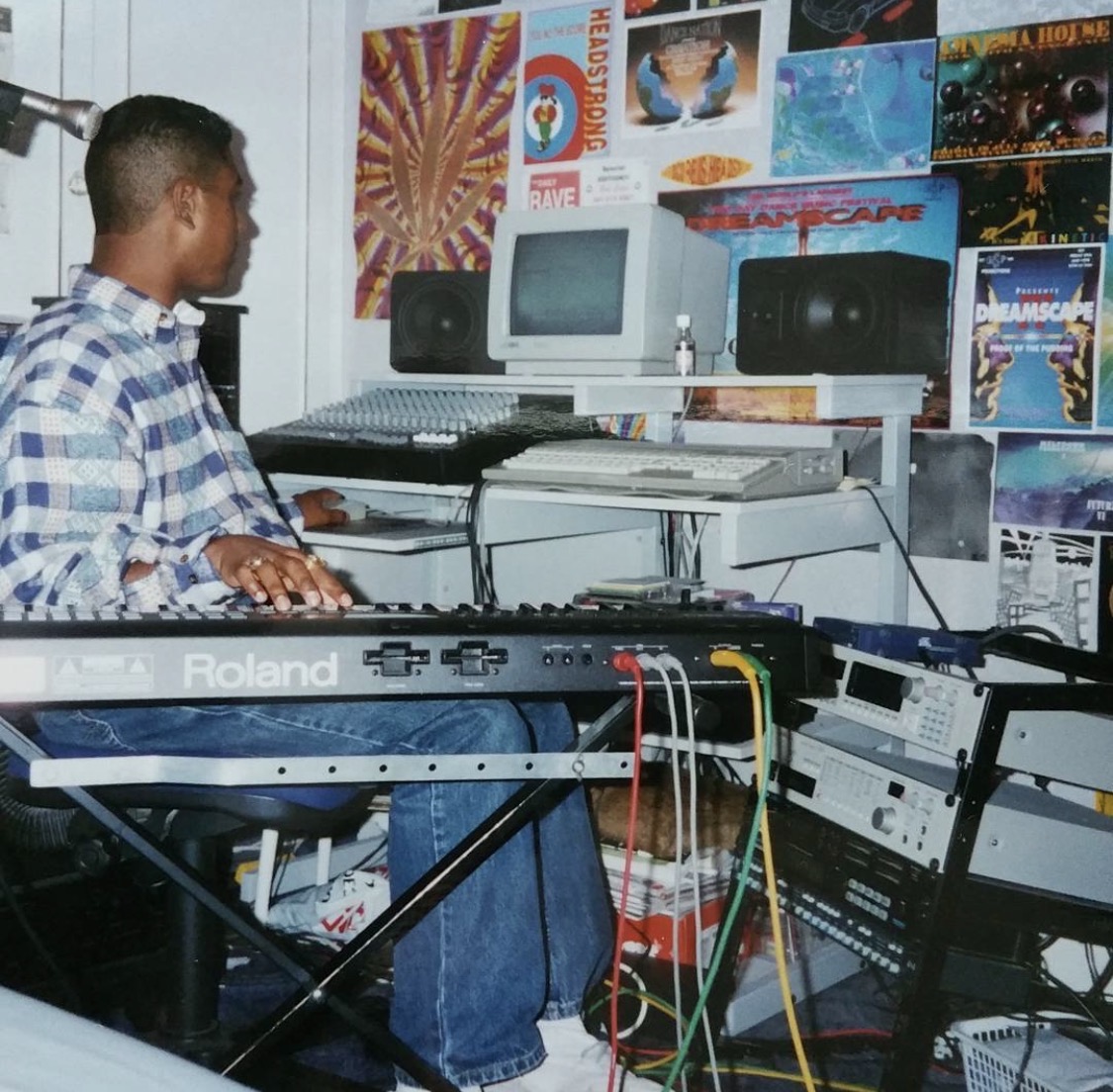
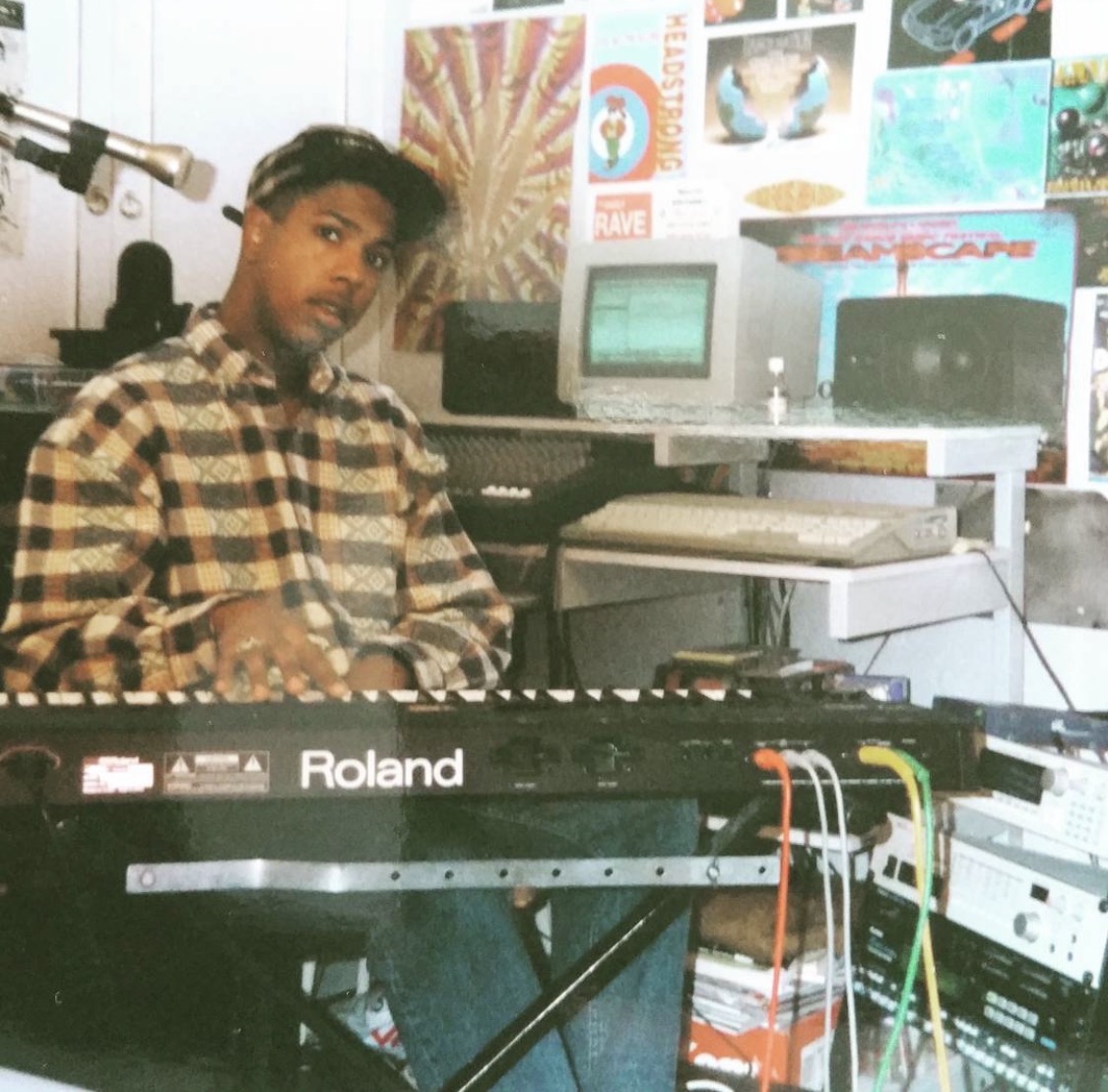
By the early-to-mid 1990s, Kevin’s bedroom had become a world of synthesizers, computers, cables and musical possibilities.
Using the Atari and Roland JV-80, he created tracks that attracted interest from record labels, including discussions connected with the influential Moving Shadow label.
His early music wasn’t always easy to categorise.
Breakbeats collided with rock influences. Unexpected melodies and textures appeared where conventional arrangements might have taken a safer direction.
Some industry figures appreciated what they heard, but questioned whether the records fitted the sounds DJs were currently playing.
It was an early lesson in the relationship between artistic expression and the music business.
Kevin continued experimenting.
A visit to a friend’s studio introduced him to the possibilities of a professional Akai sampler.
The experience reignited the excitement he’d felt when first discovering sampling as a teenager.
He eventually bought an Akai S01 from Project Music.
The journey home felt almost endless.
His head was already overflowing with ideas, and he couldn’t wait to connect the machine and begin creating.
More equipment would follow, including the Akai S3000XL.
But the most important instrument remained the same.
His imagination.
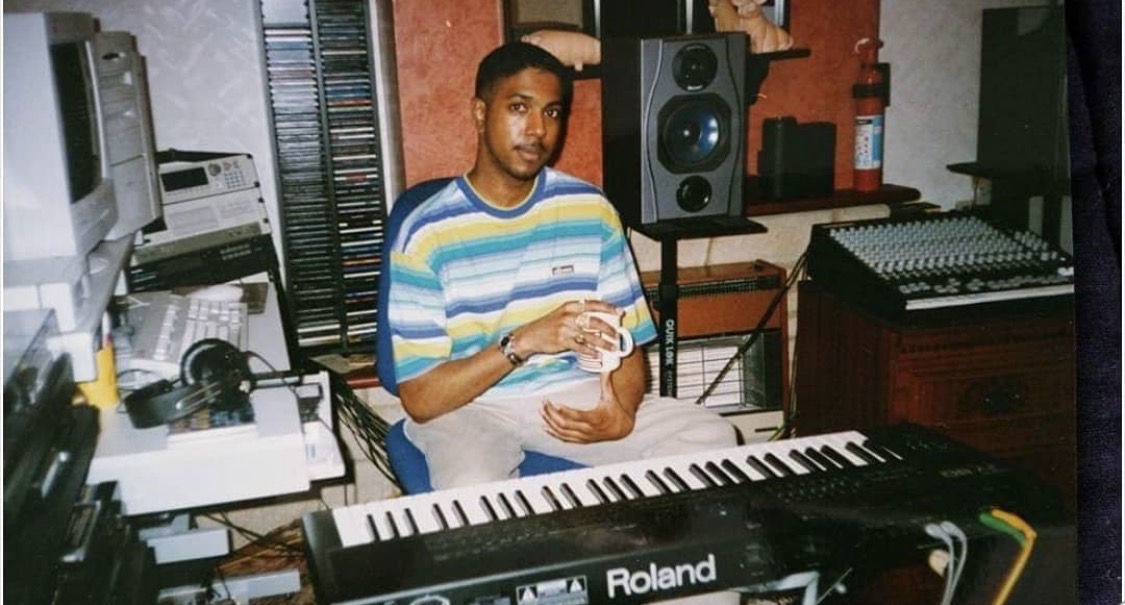
Inside K-Warren’s bedroom studio during the 1990s, where early productions took shape.
The bedroom workstation — Roland keyboard, computer and posters on every wall.
A second view of the same bedroom studio, with K-Warren facing the camera.
VI
Chapter Six
Mid 1990s · The front room
The Front Room Where History Was Made
By the mid-1990s, the studio had moved downstairs into the front living room of Kevin’s parents’ home.
What had once been an ordinary family space gradually evolved into a serious recording environment.
It was modest compared with the commercial studios of the day, but its importance would prove enormous.
Through a developing network of friends and industry connections, Kevin met songwriter Ashley Akabah, also known as City.
The two began working together, and Ashley’s brother Paul, also known as Trelowe, would bring something into the studio that would change their lives: an American import of Brandy and Monica’s The Boy Is Mine, containing the vocals they needed to create a remix.
Kevin began sampling and arranging the vocal parts, working with the Atari-based MIDI setup that powered the studio at the time.
The result was an inventive two-step interpretation of an already celebrated R&B record.
Initially around three minutes long, the production was extended following advice that DJs needed more room to work with the track.
Attempts to secure an official release proved frustrating.
Eventually, the record found its way to Millennium Distribution, where Mervyn recognised its potential.
The group became known as Architechs — a name suggested by Ashley, with a distinctive spelling that evoked both musical construction and technical creativity.
Then the record reached the radio.
Kevin remembers hearing it receive repeated rewinds, with listeners calling in to find out what they were hearing.
It was an extraordinary moment.
The music that had once existed only in his imagination was now creating excitement beyond the walls of his parents’ home.
And British dance music was entering a remarkable new era.
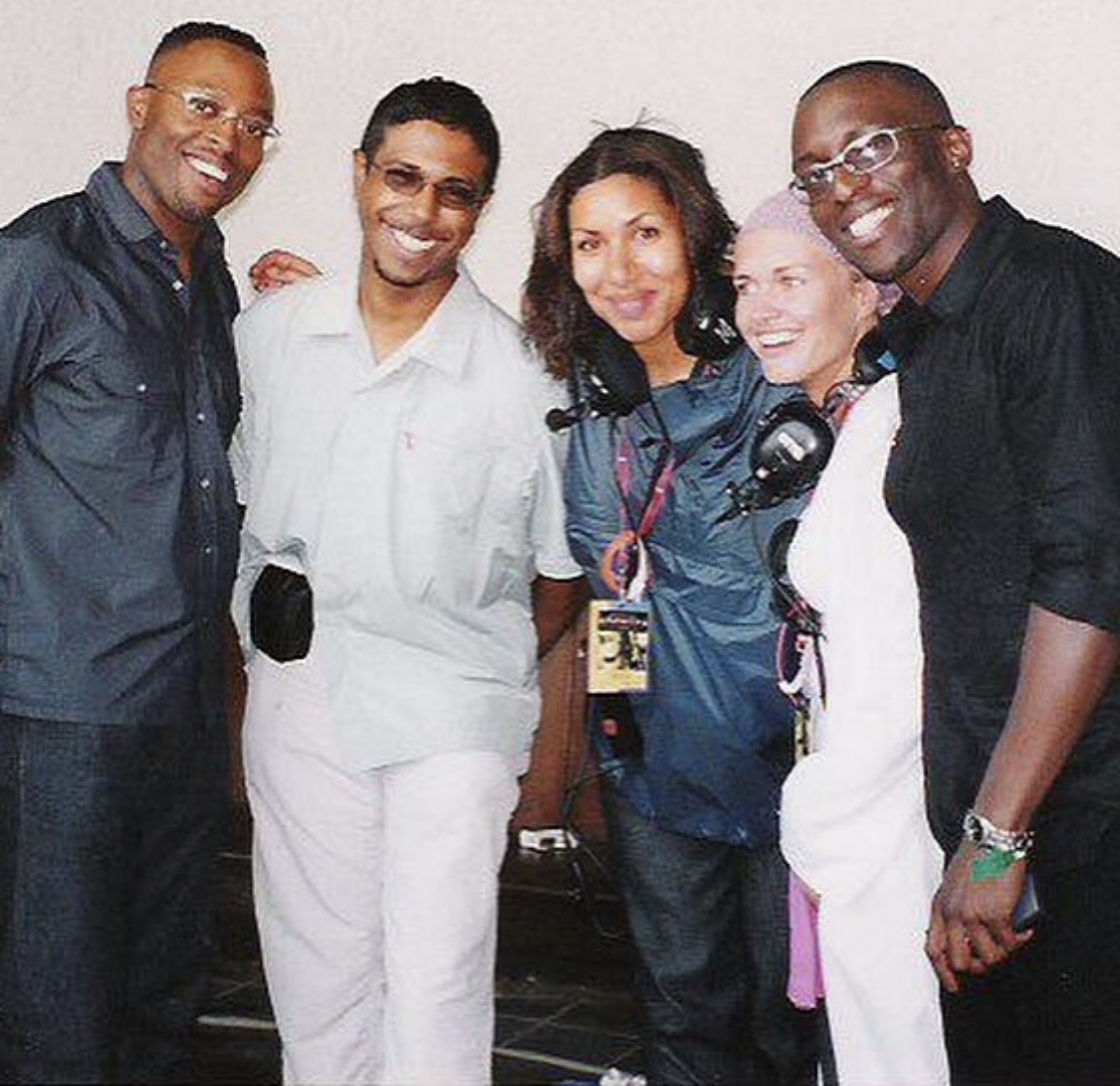
Architechs at an event — from left: Ashley (City), K-Warren, two event staff members, and Paul (Trelowe).
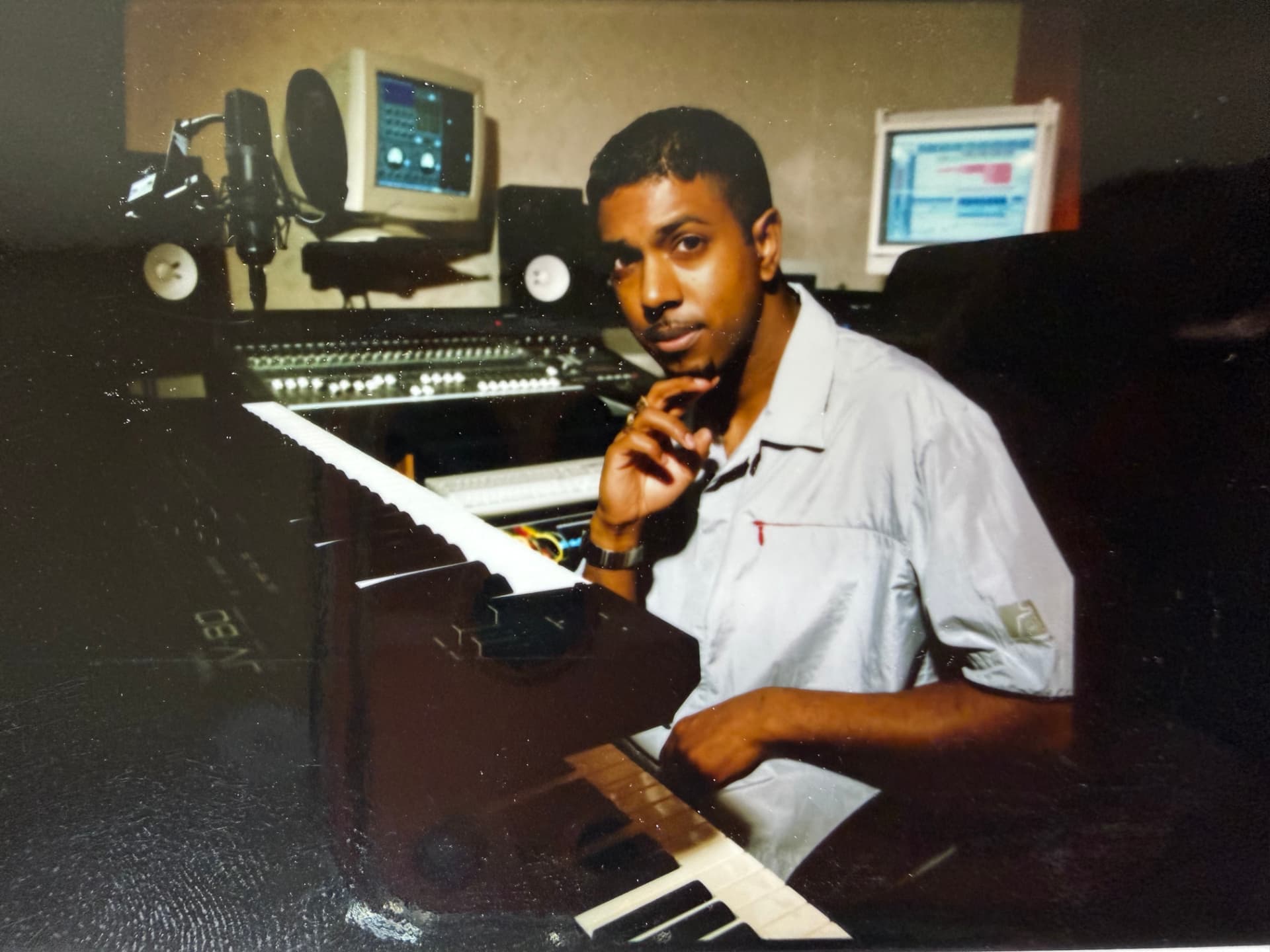
K-Warren in the front-room studio during its later Macintosh G3 era. The original Architechs remix of The Boy Is Mine was produced using the earlier Atari ST setup.
VII
Chapter Seven
2000s · Independent career
A Sound of His Own
The success of The Boy Is Mine became part of the wider explosion of UK Garage, a movement that would reshape British dancefloors and influence generations of producers.
But Kevin’s musical journey was about to take another turn.
Following his departure from Architechs, he began a new chapter as an independent artist and producer.
He chose a name that was already part of his identity: the initial of his first name, Kevin, combined with his middle name, Warren.
K-Warren was born.
It was a new name, but the musical imagination behind it was the same.
Working under his own identity, K-Warren continued developing the distinctive productions that would establish him as one of the creative voices associated with the development of two-step Garage.
His music carried an unmistakable interest in melody, atmosphere, rhythm and emotional detail.
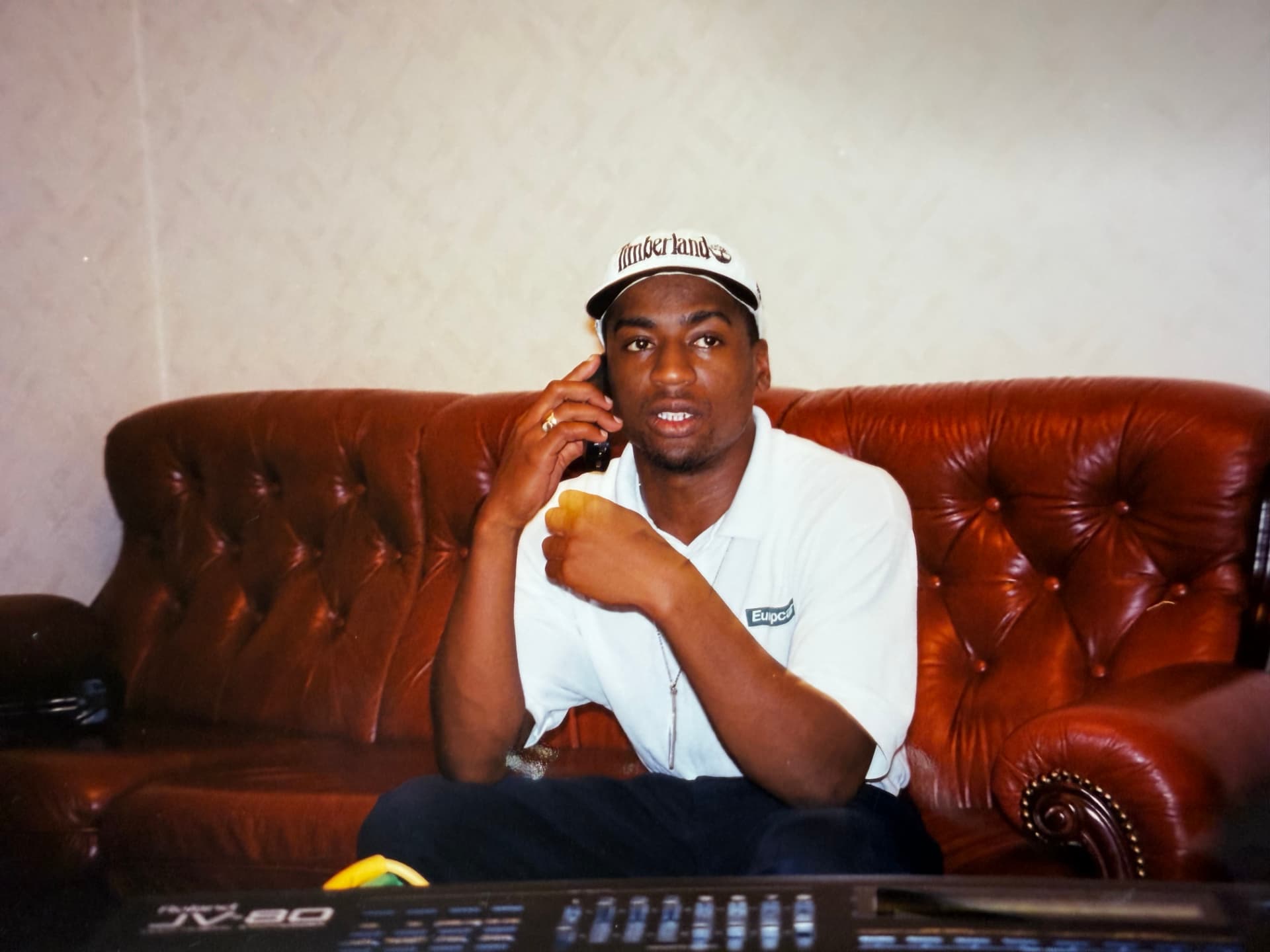
At work in the recording studio during the early K-Warren years.
At the Roland JV-80, early K-Warren years.
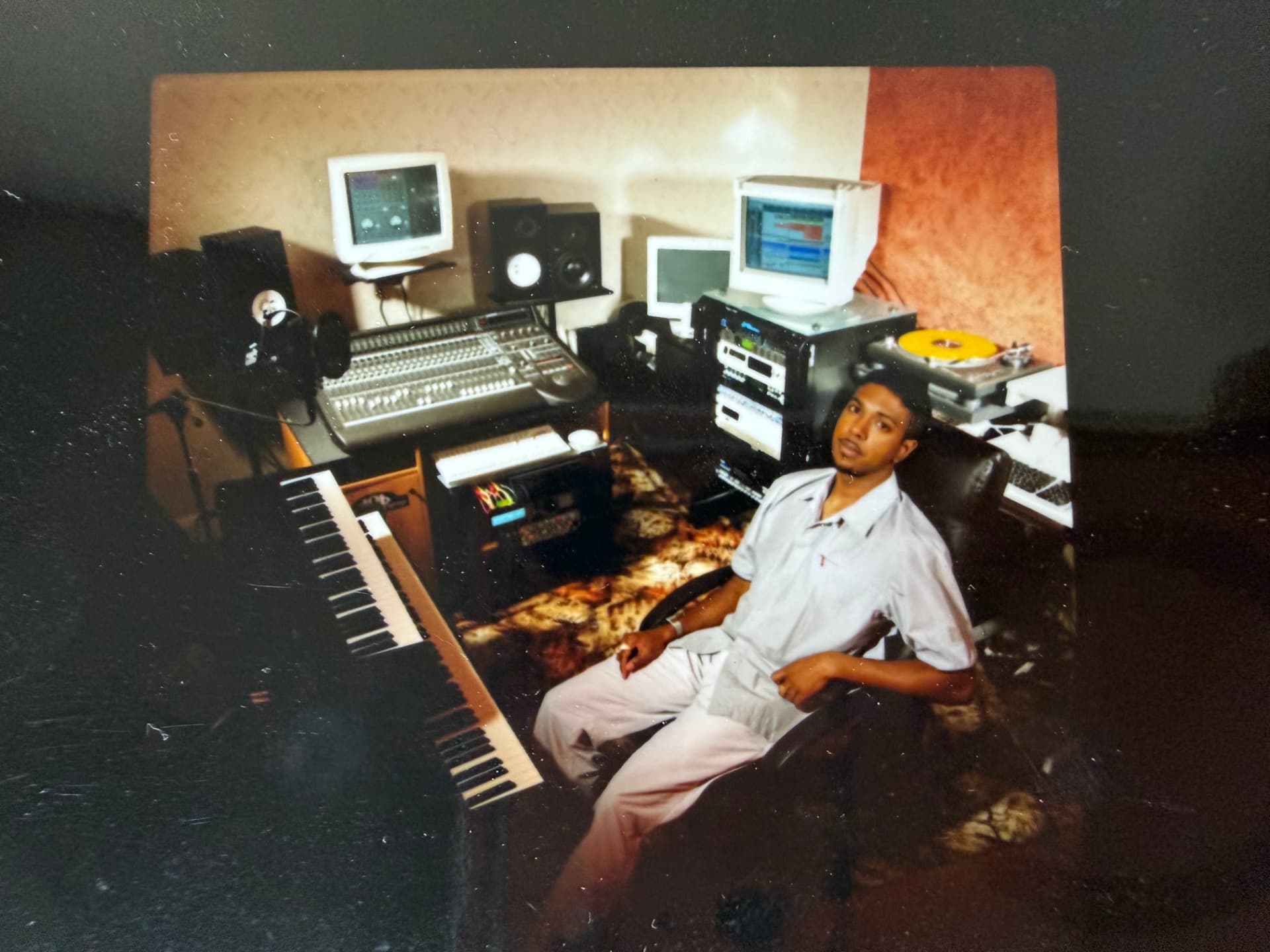
K-Warren in his front-room studio. On the turntable is the vinyl release of his remix of Maxi Priest's 'Back Together Again' for Virgin Records.
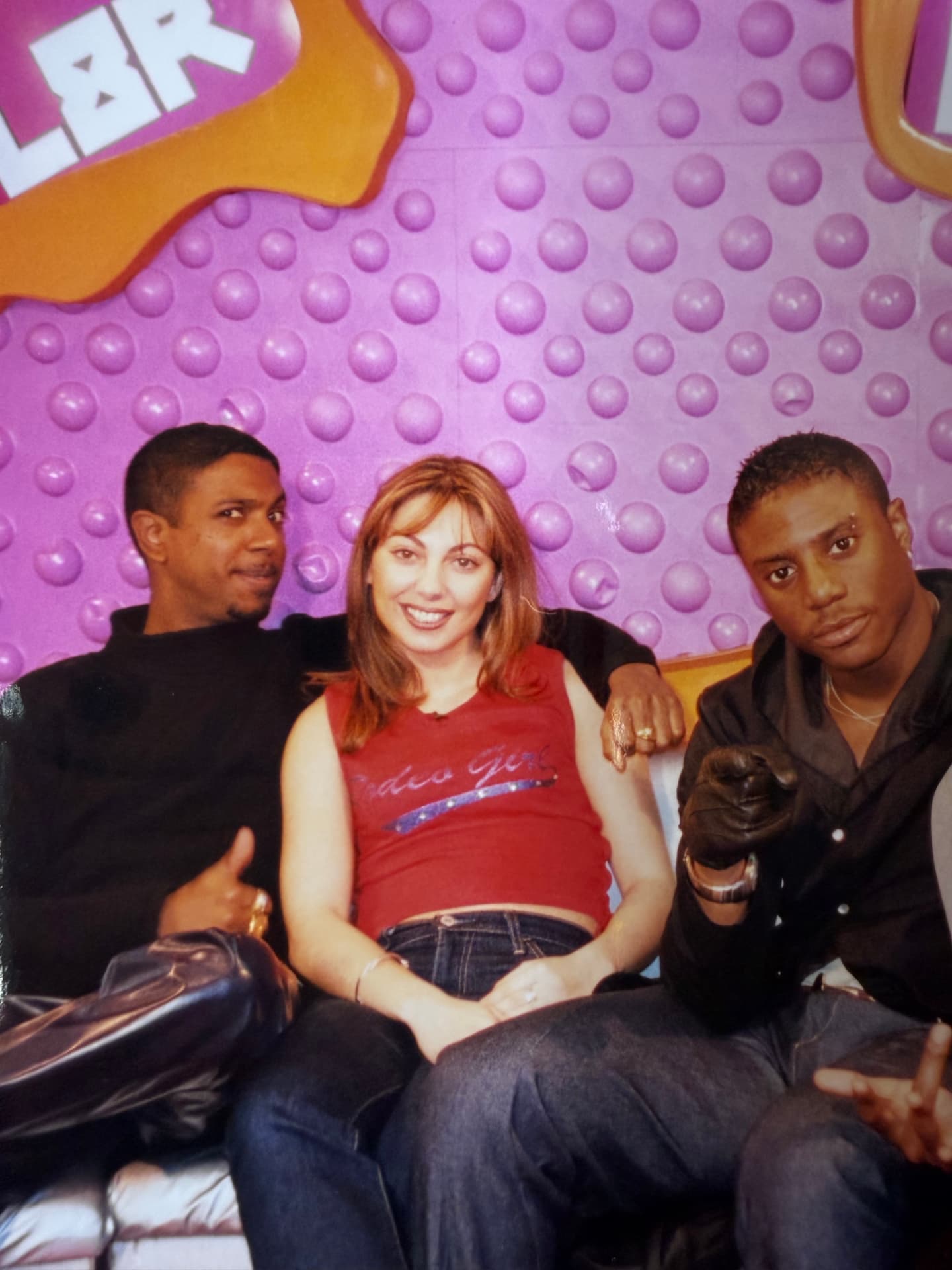
Coming Home, featuring Leo The Lion, brought together an infectious groove and a memorable vocal performance.
K-Warren and Leo The Lion during television promotion for Coming Home.
During this period, K-Warren was exploring a distinctly jazz-influenced musical direction. That influence found its way into Call It Fate, featuring Richie Dan, through its jazz-inspired bassline, ride cymbal patterns and a saxophone melody in the middle-eight section, performed by K-Warren on his Roland JV-80 synthesizer.
Richie Dan during the recording period of Call It Fate.
The same musical fascination influenced his remix of Ed Case featuring Shelley Nelson’s Something In Your Eyes, where the double bass and atmospheric instrumentation helped create its distinctive character.
It remains an enduring favourite — remembered for its evocative strings, and for details listeners might not immediately recognise, including heavily processed electric guitar parts woven into the arrangement.
These weren’t simply production techniques. They were reflections of the musical ideas and influences occupying K-Warren’s imagination at the time.
For K-Warren, producing was never about putting drums beneath a vocal.
It was about building a feeling.
His wider career would also bring remix and production credits associated with artists including Whitney Houston, Lil Wayne, Jay Sean, Boy George, Emma Bunton and others.
Yet whatever the genre or the artist, his creative instincts continued to lead him towards the same thing: finding something emotionally compelling in sound.
VIII
Chapter Eight
Today · Beyond the genre
Beyond the Genre
For some artists, a defining musical era becomes the end of their story.
For K-Warren, UK Garage remains an important and active part of a much larger creative identity.
His musical curiosity has never belonged to one genre.
From the earliest days of experimenting with breakbeats and unusual instrumental combinations, he has been drawn to the possibilities that emerge when musical worlds meet.
Today, his work moves through UK Garage, Drum & Bass, atmospheric compositions, soulful collaborations and cinematic musical storytelling.
His Liquid Drum & Bass collaboration Special, featuring Shelley Nelson, reflects that continuing interest in emotion and musical depth.
His work with Leo The Lion continues another longstanding creative relationship.
And through KW Recordings, he is developing a growing catalogue that brings together his experience, musical instincts and freedom to explore.
His Mood projects represent a particularly personal direction.
With Another Place, a five-movement musical journey, K-Warren explores atmosphere, imagination and emotional storytelling without the boundaries of a conventional dancefloor release.
It is a return to something that has always been there.
The desire to create the music he hears inside his head.
IX
Chapter Nine
2026 and beyond
The Story Continues
Decades after that little blue instrument first captured his attention, K-Warren is still discovering new ways to turn imagination into sound.
The equipment has changed.
The studios have evolved.
The technology that once seemed almost magical is now part of everyday music production.
But the excitement remains.
The boy who struggled to capture his ideas using cassette decks now has an extraordinary world of musical possibilities at his fingertips.
And the producer who helped shape a defining chapter of British dance music is still writing new chapters of his own.
Through new releases, collaborations, DJ performances and musical projects, K-Warren continues to explore the connection between sound, emotion and imagination.
Perhaps the greatest thread running through his story isn’t a particular genre, record or piece of equipment.
It’s the fascination that started everything.
That instinct to hear something extraordinary in an ordinary sound.
To imagine a musical world that doesn’t yet exist.
And then to bring it to life.
The story continues.
New sounds. New emotions. New worlds waiting to be discovered.